

Planting & Crops
Cover Crops
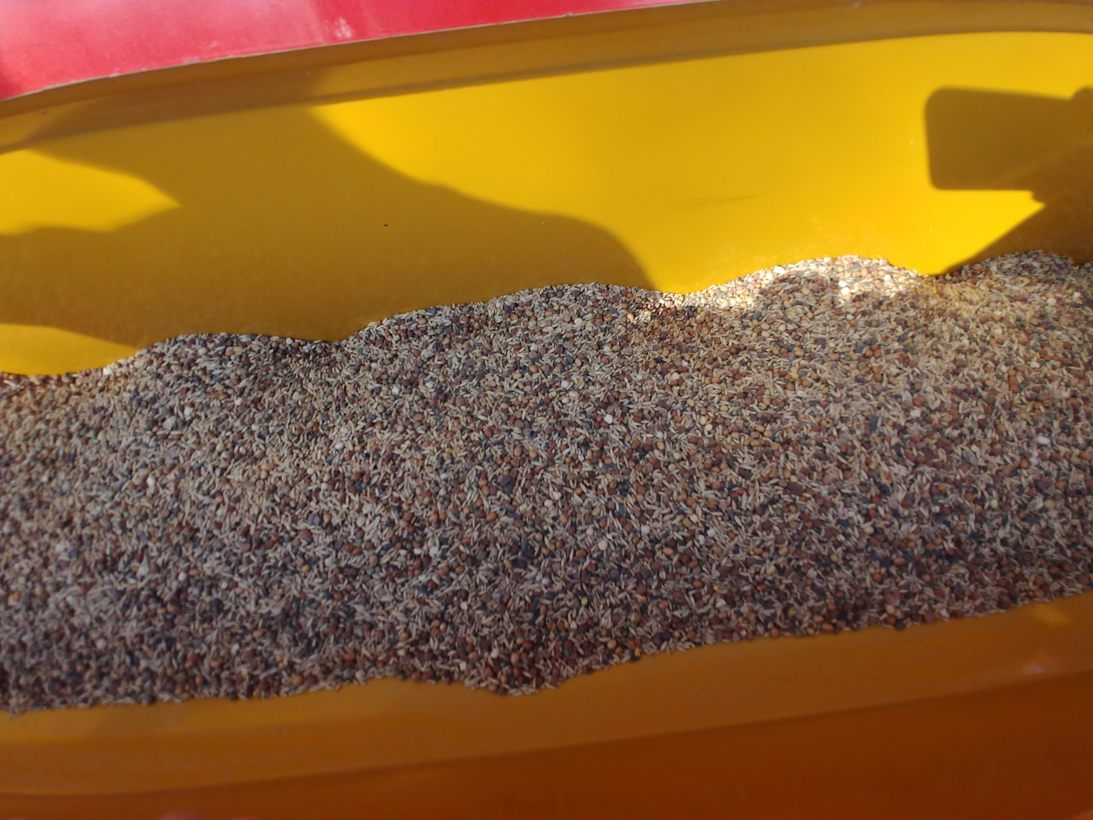
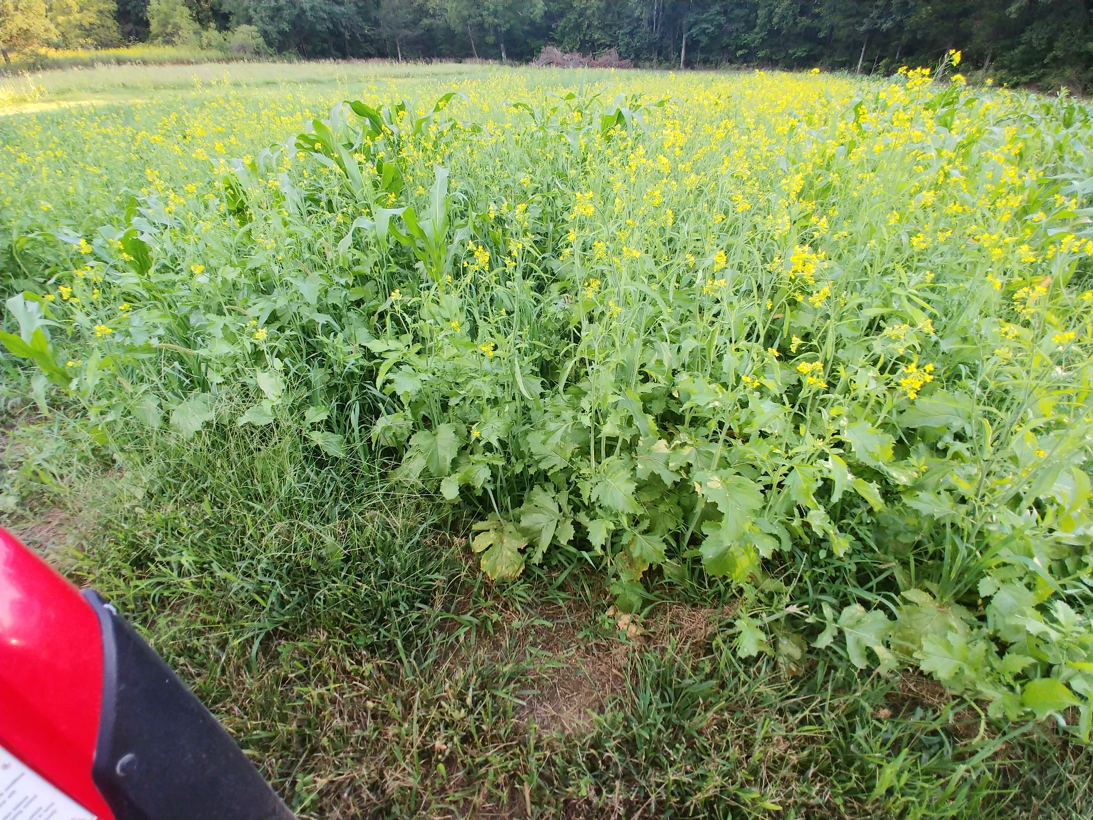
Cover crop blends provided by Green Cover Seed Company of Bladen, Nebraska, are used to increase the vitality of the soil in the most natural way possible. The blends consist of broadleaf, legume, brassica, and grass varieties. A fall blend and a spring blend is instrumental in the fixation of nitrogen and other nutrients as well as the building of organic material in the soil. Soil samples will be analyzed before the fall and after the spring cover crops as well as prior to the planting the cash crops. The usefulness of the cover crops will be determined by the results of the soil sample testing.
The internet was researched for the best management practices for organic farming. No-Till planting proved to be the most acclaimed method of planting without disturbing the soil to maintain natural biological diversity in the soil. Green Manure in the form of cover crop stood out as the most valid method of fixating nutrient naturally and organically build the soil to improve the health of the soil. There are a substantial number of very good videos about soil health and methods to improve it naturally with cover crop blends. Videos were viewed about applications developed by the Greed Cover Seed Company and their Smart Mix app for choosing the varieties for the personalized blend. The Smart Mix app was used to develop the following 2018 spring and 2019 spring blends.
2018 Spring Cover Crop
The 2018 spring cover crop consisted of a blend with the following species from Green Cover Seed:
- Arrowleaf Clover
- Woolly Pod Vetch
- Winter Peas Austrian Winter
- Sunn Hemp: VNS
- Alfalfa: Common
- Chickpea: Desi
- Balansa Clover: Fixation Omri
- Persian Clover: Mihi
- Faba Beans
- Chickling Vetch: AC Greenfix
- Spring Oat: VNS
- Spring Triticale: VNS
- Graza Radish: Graza Fodder Radish
- Indian Mustard: Indi Gold
- Sunflower: Black Oil Seed
- Phacelia Angelia
2019 Spring Cover Crop
The 2019 spring cover crop consist of a blend with the following species from Green Cover Seed:
- Arrowleaf Clover
- Woolly Pod Vetch
- Winter Peas Austrian Winter
- Sunn Hemp: VNS
- Alfalfa: Common
- Chickpea: Desi
- Balansa Clover: Fixation Omri
- Persian Clover: Mihi
- Faba Beans VNS
- Chickling Vetch: AC Greenfix
- Spring Oat: Hayden
- Spring Triticale: Surge
- Collards: Impact Forage
- Smart Radish
- Sunflower: Black Oil Seed
- Phacelia Angelia
Objectives: Cover Crop Planting
- Does the sod have to be plowed and tilled to promote good seed to soil contact?
- Can the cover crop be directly sowed into the existing sod?
- Can the cover crop seed be broadcasted and covered with straw?
- Can the cover crop be no-till planted into soil that has been plowed and tilled?
- What method produces the best seed to soil contact with the best germination rate?
- What amount of the cover crop seed is adequate to provide adequate fixation of nitrogen and other nutrients?
Cash Crops
Objectives: Cash Crop Planting
- Can the sweet corn cash crop be no-till planted directly into the cover crop after rolling and crimping?
- Is plowing and tilling the best method of preparing the soil for no-till planting of the cash crops?
- What are the best symbiotic plants to grow with the cash crops that help control weeds and pests and promotes beneficial bugs?
The cash crop seeds were provided by Territorial Seed Company of Cottage Grove, OR. The planted cash crops were as follows:
- Golden Bantam Corn
- Belstar F1 Broccoli
- Beneficial Bug Flower Mix Annuals and Perennials
- Gondar Lettuce
- Harvest Moon F1 Watermelon
- Basil Aroma II Herb
- Hopi Blue Corn
- Painted Mountain Corn
- Glass Gem Corn
- Nectar Carrot
- Saber Cucumber
- Dragon Tongue Bush Bean
- Caiman Tomato
- Winter Luxury Pumpkin
- Gather’s Gold Sweet Italian Pepper
- California Wonder Pepper
- Champion Collard Green
| Date | Project Activity | Participants |
|---|---|---|
| January 2018 | Pre-project planning meeting to choose vegetable crop varieties and cover crops, plan trial layout, and outreach efforts. | Project coordinators: Byron Murray. Extension educator, Nadia Terrell. |
| March 1, 2018 | Order seeds. Plant cover crop with No till Drill in test plots: 8 legumes, 3 brassicas 3 grasses and 2 broadleafs | Project coordinators: Byron Murray. Extension educator, Nadia Terrell. |
| March 15, 2018 | Plant cover crops in trial plots to evaluate usefulness in vegetable plantings: Annual Ryegrass, Hairy Vetch, Buckwheat, Red Clover, Winter Rye. Evaluate weekly. | Edgar Holtzburger and daughter, Pauline Holtzburger |
| May 1, 2018 | Terminate Cover Crop and Plant Cash Crop – Sweet Corn | Project Coordinator: Byron Murray Equipment Operator: Steven Murray |
| May 15, 2018 | Interseed Companion crops with cash crop | Project Coordinator: Byron Murray Equipment Operator: Steven Murray |
| July 7, 2018 | Harvest Sweet Corn, Squash and other varieties as able based on ripeness. | Project Coordinator: Byron Murray Equipment Operator: Steven Murray |
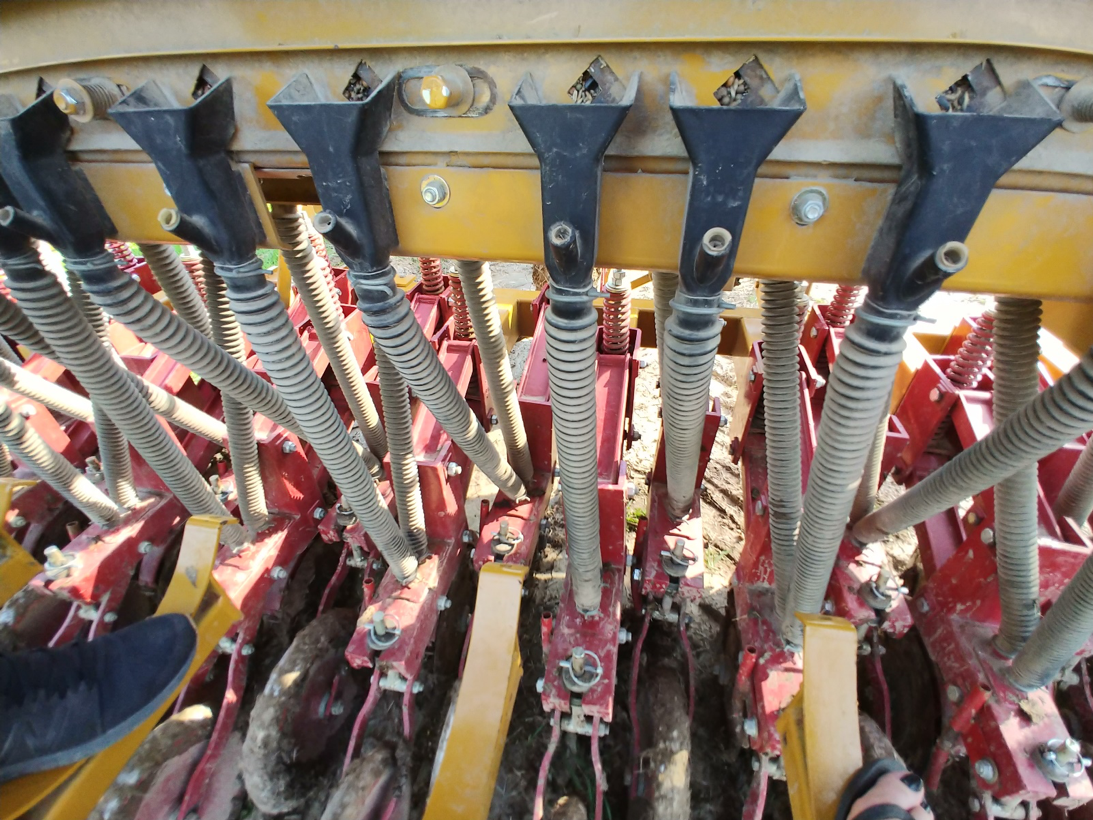
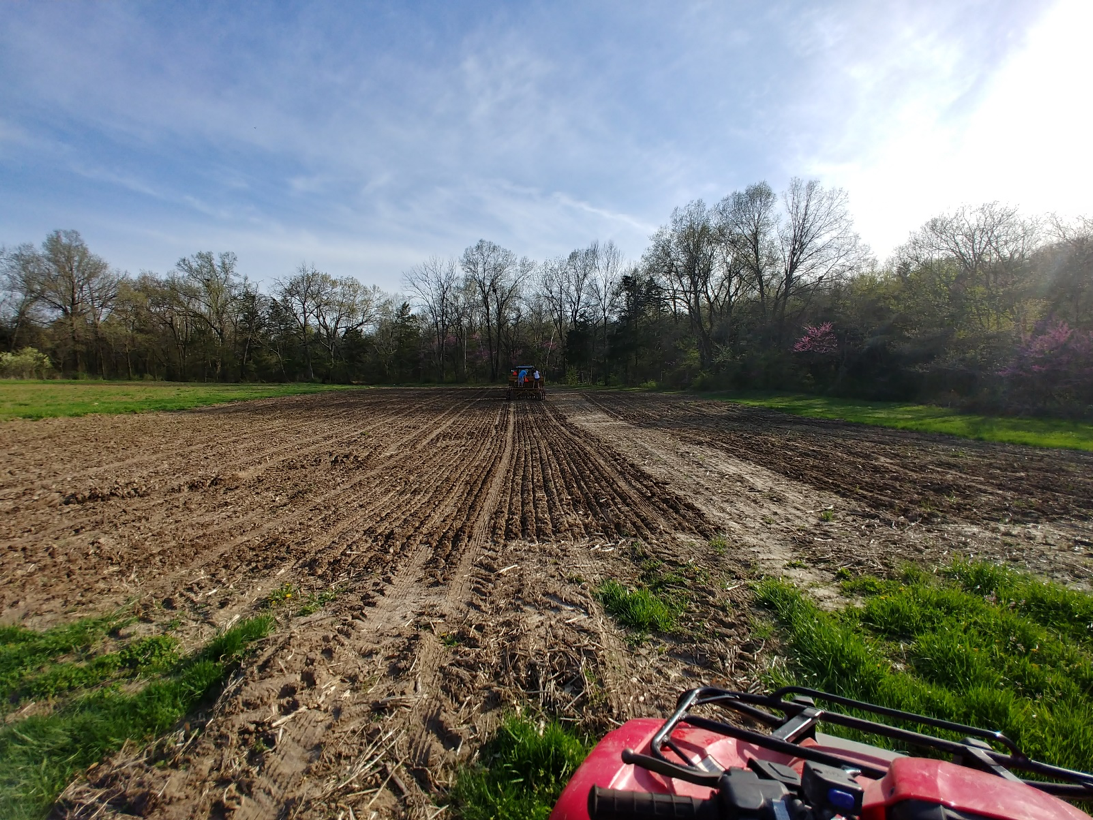
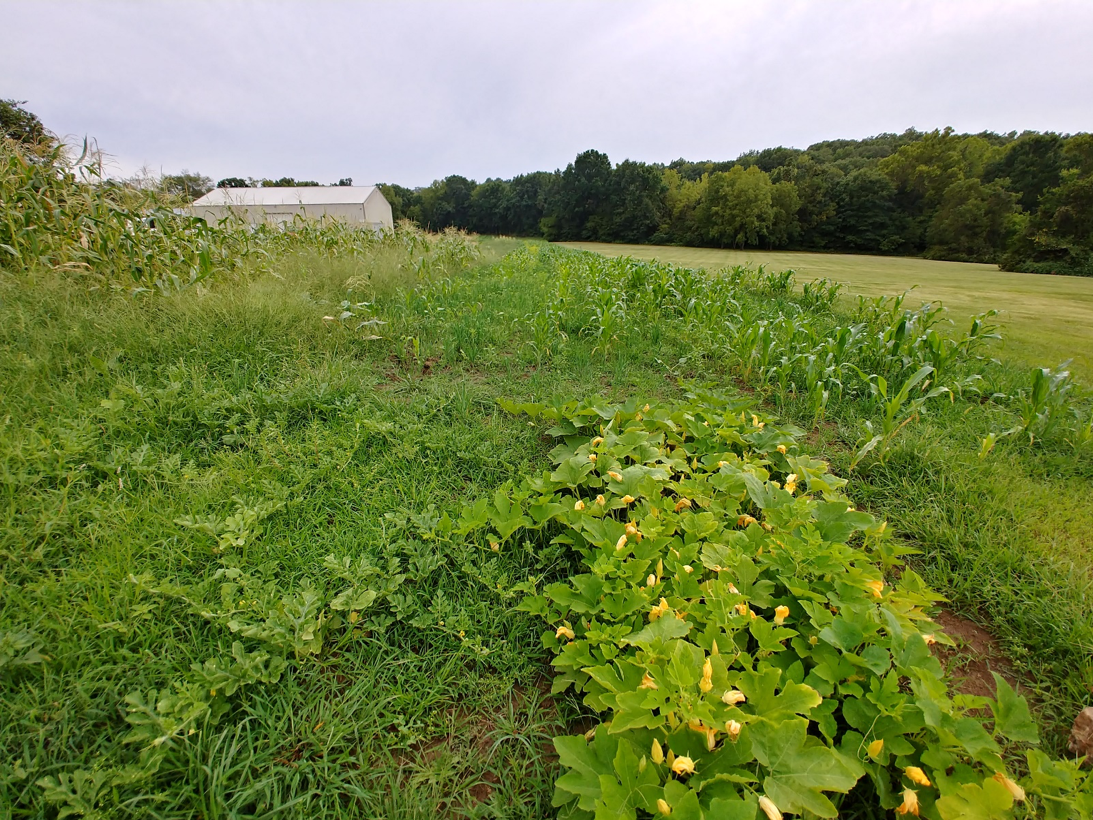
Plot 2 existing cover crop will be plowed and tilled to level the soil and incorporate the cover crop into the soil to increase the nutrient level and level the soil. Alpaca, cattle and horse manure will be spreaded and tilled into the soil to increase the nutrient level of the soil. The cover crop seed will be planted with a rented Haybuster No-Till drill from the Cole County Soil and Water District. The cover crop will be rolled and crimped to terminate the cover crop prior to no-till planting the sweet corn cash crop. The rolled and crimped cover crop will die and serve as a mulch that will protect the soil from erosion and limit the amount of irrigation required. The sweet corn cash crop will be no-till planted with the Deutz-Allis No-Till Planter. Companion cover crops will be interseeded with a no till drill into the sweet corn cash crop to prevent erosion and provide additional nutrients while the sweet corn is growing. Pole beans, red clover and squash will be interseeded as companion plants with the sweet corn.
Plot 3 existing cover fall crop will be burned to terminate the cover crop. The spring cover crop blend will planted with a rented Haybuster No-Till drill from the Cole County Soil and Water District. The cover crop will be rolled and crimped to terminate the cover crop prior to no-till planting the sweet corn cash crop. The rolled and crimped cover crop will die and serve as a mulch that will protect the soil from erosion and limit the amount of irrigation required. The sweet corn cash crop will be no-till planted with the Deutz-Allis No-Till Planter. Companion cover crops will be interseeded with a no till drill into the sweet corn cash crop to prevent erosion and provide additional nutrients while the sweet corn is growing. Pole beans, red clover and squash will be interseeded as companion plants with the sweet corn.